
Category: General
Navigating Medical Requirements for Mortgage Loan Insurance in France

Securing a mortgage for a property in France is a significant step for many investors and future homeowners. An essential part of this process, especially for expatriates, involves understanding and navigating the medical requirements for mortgage loan insurance. France has specific requirements in this area, which can vary depending on the borrower’s health, age, and the property value. Here’s what you need to know to ensure a smooth process.
Do Pre-existing Medical Conditions Matter?
When applying for mortgage loan insurance in France, your health status plays a crucial role. Insurers assess risk based on several factors, including any pre-existing medical conditions you may have. While having a pre-existing condition does not automatically disqualify you from obtaining insurance, it can affect the premiums or lead to exclusions for specific conditions. It’s vital to be upfront and honest about your medical history to avoid any complications or denial of coverage in the future.
Can Medical Tests Be Undertaken in Any Country?
Generally, French insurance companies require a medical questionnaire to be filled out, and depending on your age, the loan amount, and your medical history, you might also be asked to undergo a medical examination. Ideally, these medical tests should be performed in France to align with the insurer’s requirements. However, some insurers may accept tests conducted in your home country, provided they meet the insurer’s standards.
Are Documents Available in Other Languages Than French?
While France is known for its strict adherence to using the French language, especially in legal and administrative matters, the global nature of real estate investment has led to more flexibility. Key documents, including those related to mortgage loan insurance, may be available in English or other languages upon request. Engaging with a bilingual broker or legal advisor specialized in French real estate can significantly streamline this process.
Navigating the Process
- Consult with a Specialist: Getting advice from insurance brokers or financial advisors who understand both the French system and the needs of international investors or expatriates is invaluable.
- Compare Offers: Compare various insurers, as premiums and conditions can vary significantly.
- Consider a Broker: A broker can navigate the French system on your behalf, presenting you with the best options that meet your specific needs and circumstances.
- Prepare for Additional Costs: If you have a pre-existing medical condition, be prepared for potentially higher premiums or the need to take out additional coverage.
- Contingency plans: If it is proving too dificult or costly to arrange a French Term Life insurance policy, consider sourcing a mortgage from a lender which does not require Life insurance
Conclusion
While the medical requirements for mortgage loan insurance in France can seem daunting, particularly for expatriates or those with pre-existing conditions, thorough preparation, and the right advice can simplify the process. Understanding the impact of your medical history on insurance, ensuring any international medical tests are acceptable, and having all documents reviewed can demystify this crucial step towards owning your dream property in France.
Why UK Investors Should Bet on the French Alps for Their Next Investment

The French Alps, a region synonymous with breathtaking landscapes, robust winter sports, and luxury living, is increasingly capturing the attention of UK investors looking for lucrative opportunities and a unique lifestyle. Here’s a comprehensive guide on why this picturesque region should be the next on your investment radar, focusing on the high-end property market, tailored financing options, central bank policies, and the unmatched Alpine lifestyle.
Spotlight on the High-End Property Market in the French Alps
The French Alps property market is renowned for its resilience and long-term value appreciation. Areas such as Chamonix, Méribel, and Courchevel offer stunning properties ranging from traditional chalets to modern apartments, catering to diverse investor tastes and requirements. The demand for luxury accommodations from an international clientele ensures a robust rental market, providing attractive yields for investors.
Tailored Financing Options for UK Investors
Financing a property investment in the French Alps is straightforward, with numerous options available to UK investors. French banks are typically open to lending to foreign investors, although it might be wise to consult with a mortgage broker specializing in French property purchases to navigate the process smoothly. Moreover, leveraging equity from existing properties or exploring private financing routes can provide alternative strategies to secure your Alpine investment.
Central Bank Policies and Their Impact on Property Investment
The policies of the European Central Bank (ECB) and their influence on mortgage rates are crucial for UK investors to consider. With rates lower than in the UK, it’s an opportune time to invest in French Alpine property. Nevertheless, keeping a close eye on ECB policy changes is advisable as they can impact financing costs and investment returns.
Opportunities to Recoup VAT on New Builds
One compelling reason for UK investors to focus on the French Alps is the possibility to reclaim VAT (Value Added Tax) on new build properties used for rental purposes. This 20% refund can significantly reduce the overall investment cost, making new developments particularly attractive. Conditions apply, and it’s essential to ensure compliance to benefit from this financial incentive.
Benefits of Buying through a SARL
Investing in French property via a Société à Responsabilité Limitée (SARL) of Family, a type of French limited liability company, can offer significant advantages.
Legal Guidelines for Purchasing Alpine Properties
Understanding the legalities of purchasing property in France is paramount. From the initial sales agreement to the final act of sale, the process is highly regulated, involving notaires (public officials) to ensure transparency and security for both parties. UK investors should familiarize themselves with French property laws or seek professional legal advice to navigate the nuances successfully.
A Glimpse of the Attractive Alpine Lifestyle
Beyond the financial aspects, investing in the French Alps is an investment in a lifestyle. The region offers unmatched outdoor activities, from skiing and snowboarding in the winter to hiking and mountain biking in the summer, not to mention the exquisite local cuisine and vibrant cultural festivities. Owning property here provides a personal retreat and an opportunity to experience the Alpine lifestyle fully.
Conclusion
The French Alps offer UK investors not just a financial investment but a doorway to a lifestyle coveted by many. With a robust luxury property market, favourable financing options, tax benefits, and the breathtaking allure of the Alps, the region holds a special appeal for those looking to diversify their investment portfolio and embrace a lifestyle that blends luxury with adventure. As with any investment, due diligence, thorough planning, and professional advice are key to reaping the rewards of your Alpine investment.
Reaping the Rewards of Real Estate in Provence: A Guide for European buyers

Provence, with its lavender fields, vineyards, and timeless villages, captures the quintessential French charm that has enchanted so many. For European High Net Worth Individuals (HNWIs), investing in real estate in this region offers not just the chance to own a piece of this allure but also presents substantial financial advantages. This article explores the luxury property market in Provence, the financing options available, the impact of monetary policies, legal considerations, and the lifestyle that makes Provence a coveted investment destination.
The Luxury Property Market in Provence
Provence’s luxury property market is as diverse as it is dynamic. From historic châteaux and renovated farmhouses to contemporary villas with panoramic views, the region offers a wide range of high-end properties that cater to the discerning tastes of HNWIs. The demand for luxury properties in Provence has remained resilient, buoyed by both domestic and international investors drawn by its climate, culture, and quality of life.
Financing Options for European Investors
European investors looking to finance their property purchase in Provence have several options at their disposal. French banks are generally open to providing mortgages to non-resident investors, although the terms may differ from those offered to residents. Loan-to-value (LTV) ratios, interest rates, and repayment terms can vary significantly, making it crucial for investors to negotiate favorable conditions. Alternatively, leveraging assets or acquiring financing from one’s home country can also be viable options, depending on the investor’s financial situation and preferences.
Effect of Monetary Policies
The European Central Bank’s (ECB) monetary policies can influence property investment in Provence through their impact on interest rates. Lower interest rates can make borrowing more affordable, potentially increasing the attractiveness of property investments in the region. However, investors should remain vigilant about changes in policies, as rising rates can affect the cost of financing and yield on investments.
Legal Considerations
Investing in real estate in Provence requires navigating through a range of legal considerations, from property acquisition procedures and taxes to compliance with local regulations. Understanding the nuances of French property law, such as the roles of the notaire (public notary) and the implications of SCI (Société Civile Immobilière) structures for property ownership, is essential. Engaging with a legal professional who specializes in French property law can provide invaluable assistance in this regard.
Cultural Richness and Lifestyle Attractions
Beyond the numbers, Provence offers a lifestyle unparalleled in its richness and authenticity. The region’s cultural heritage, gastronomy, and natural beauty provide a backdrop for a life well-lived. Owning a property in Provence is as much an investment in quality of life as it is a financial venture. The region’s festivals, markets, and vineyards offer endless opportunities for enjoyment and discovery.
Conclusion
For European HNWIs, the real estate market in Provence offers an enticing combination of financial opportunity and lifestyle appeal. While the prospect of owning property in this iconic region is attractive, successful investment requires a thorough understanding of the market, savvy financing strategies, appreciation of legal protocols, and a love for the lifestyle Provence affords. With the right approach, investing in Provence can be as rewarding financially as it is personally.
Understanding Health Insurance Requirements for Visiting France

Planning a trip to France involves more than just booking flights and accommodations; ensuring you meet the health insurance requirements is a crucial step in preparing for your journey. Whether you’re visiting for a short holiday or applying for a longer stay visa, understanding the health insurance requirements will ensure a smooth and stress-free entry into the country.
Health Insurance for Short-Term Visits
For short stays, tourists and visitors to France are not required to show proof of health insurance at the border. However, it is highly recommended to have travel insurance that covers medical expenses, as healthcare costs can quickly add up. European Union citizens can use their European Health Insurance Card (EHIC) for basic medical services, but non-EU visitors should ensure their travel insurance offers comprehensive coverage.
Schengen Visa Health Insurance Requirements
For non-EU citizens requiring a Schengen Visa to enter France, purchasing health insurance is a mandatory step in the visa application process. The insurance policy must meet specific criteria:
– A minimum coverage of €30,000 for medical expenses and repatriation.
– Validity throughout the entire Schengen Area.
– Coverage for the entire duration of the stay.
Most insurance providers offer specific Schengen Visa policies that meet these criteria, ensuring a smoother visa application process.
Long Stay Visa Health Requirements
Individuals planning a longer stay in France, such as students, employees, or family reunion visa applicants, need to adhere to more stringent health insurance requirements. For long-stay visas, applicants must enroll in the French social security system upon arrival, which often requires having an initial health insurance cover to bridge the gap until their social security kicks in. The specifics can vary depending on the nature of the long-term stay, making it essential to consult the French consulate or embassy for detailed guidance.
Conclusion
Navigating the health insurance requirements for France can seem daunting at first glance, but understanding these prerequisites is essential for a hassle-free visit. Whether you’re coming for a short vacation or planning a longer stay, ensuring you have the right health insurance coverage will not only meet the legal requirements but also offer peace of mind during your time in France. Always consult with official sources or insurance experts to choose the right policy that meets your specific needs.
Navigating Parisian Property: A Guide for US Investors

The allure of Paris, with its iconic landmarks, vibrant culture, and historic charm, extends beyond mere tourism to the realms of real estate investment. For US high-net-worth investors looking to add a touch of French elegance to their portfolios, the Parisian luxury property market beckons with open arms. This guide aims to navigate through the nuances of investing in Paris, from understanding the market dynamics to legal considerations, ensuring a fruitful engagement with one of the world’s most coveted real estate landscapes.
Understanding Paris’s Luxury Property Market
The Parisian luxury property market is characterized by its resilience and perennial demand. Prime locations such as the Marais, Saint-Germain-des-Prés, and the Triangle d’Or remain highly sought after, offering appreciative value over time. Investors should note the cyclical nature of the market, with fluctuations tied to broader economic indicators. However, Paris’ status as a global city helps mitigate extreme market volatility, making it a relatively safe haven for high-value investments.
Financing Options for US Investors
US investors have a spectrum of financing options at their disposal. French banks are generally open to financing property purchases for foreign investors, albeit with stricter conditions compared to local buyers. Loan-to-value ratios, interest rates, and repayment terms can vary significantly, making it critical to shop around or engage a specialist mortgage broker who understands the nuances of cross-border financing.
Impact of Central Bank Policies and USD vs EUR Exchange Rate
The monetary policies enacted by the European central bank can influence interest rates, affecting the cost of borrowing. US investors should stay informed about policy shifts and their potential impact on investments. Additionally, the USD/EUR exchange rate plays a critical role in the timing of investments. Favorable rates can significantly lower the entry cost and boost potential returns.
Essential Legal Considerations
Navigating the French legal system can be daunting for foreign investors. Key considerations include understanding the French notaire system, property ownership structures (direct ownership vs. SCI), and tax implications. Engaging a local legal expert is advisable to ensure compliance and safeguard against potential pitfalls.
Paris’s Unique Cultural Lifestyle Appeal
Beyond mere financial returns, investing in Parisian property offers an intangible value – a stake in one of the most culturally and historically rich cities in the world. Ownership of a Parisian property is not just an asset on the balance sheet but a lifestyle choice that opens doors to unparalleled experiences, from the culinary delights to the artistic and architectural heritage that Paris is renowned for.
Conclusion
For US high-net-worth investors, Parisian luxury property represents an attractive blend of stable investment, cultural prestige, and lifestyle appeal. While the process may involve navigating through a complex web of financial, legal, and market dynamics, the rewards can be significant. With the right approach and expert guidance, the Parisian property market offers a unique opportunity to diversify and enrich an investment portfolio.
Exploring the Benefits of France’s Impatriate Tax Regime

France’s Impatriate Tax Regime stands as a beacon of fiscal attractiveness, drawing professionals from around the globe to its vibrant economy and rich cultural tapestry. But what exactly makes this tax framework so appealing? This article untangles the intricacies of the Impatriate Tax Regime, outlining its manifold benefits, eligibility criteria, and conditions, alongside the duration of the tax advantages it offers.
Who is Eligible?
The Impatriate Tax Regime is designed for individuals moving to France to take up employment. To qualify, one must not have been a resident of France for tax purposes in the five years preceding the employment start date. Moreover, the individual must become a French tax resident upon commencing employment. This regime is particularly enticing for executives, highly skilled professionals, and researchers moving to France.
Array of Benefits and Advantages
Tax Exemptions: One of the regime’s hallmark features is the partial income tax exemption. Impatriates are granted a 30% tax exemption on their gross employment income. Additionally, impatriate employees can enjoy exemptions on certain elements of their compensation packages, such as cost-of-living allowances and expenses related to moving to France.
International Wealth: Beyond salary-based incentives, a significant allure of the regime lies in its treatment of international wealth. Impatriates can benefit from exemptions on income and gains derived from outside of France, a boon for global professionals with international investments.
Premium Pension Plans: The regime acknowledges the importance of retirement planning, permitting impatriates to partake in premium pension schemes without the weight of tax deductions, thereby safeguarding their future while enjoying France’s immediate lifestyle perks.
Conditions to Meet
To reap the benefits of the Impatriate Regime, several conditions must be met. Firstly, the employment contract should specify the intention to avail of the tax benefits. Furthermore, the individual must render services largely within French territory, though certain exceptions apply for international services.
Duration of Tax Benefits
The initial validity period of the Impatriate Tax Regime’s benefits covers the year of arrival and the following seven years, offering a substantial timeframe to maximize financial advantages while integrating into French society and economy. This extended period is a testament to France’s commitment to attracting and retaining global talent.
Final Thoughts
France’s Impatriate Tax Regime stands as a testament to the country’s openness to international professionals. Offering a combination of financial incentives and quality of life, the regime not only enhances France’s appeal as a destination for global talent but also enriches its economy with diverse skills and experiences. However, navigating the eligibility and conditions requires careful consideration and, often, professional advice to ensure full compliance and benefit realization.
Navigating New Horizons: A Post-Brexit Guide for UK Investors in the French Property Market
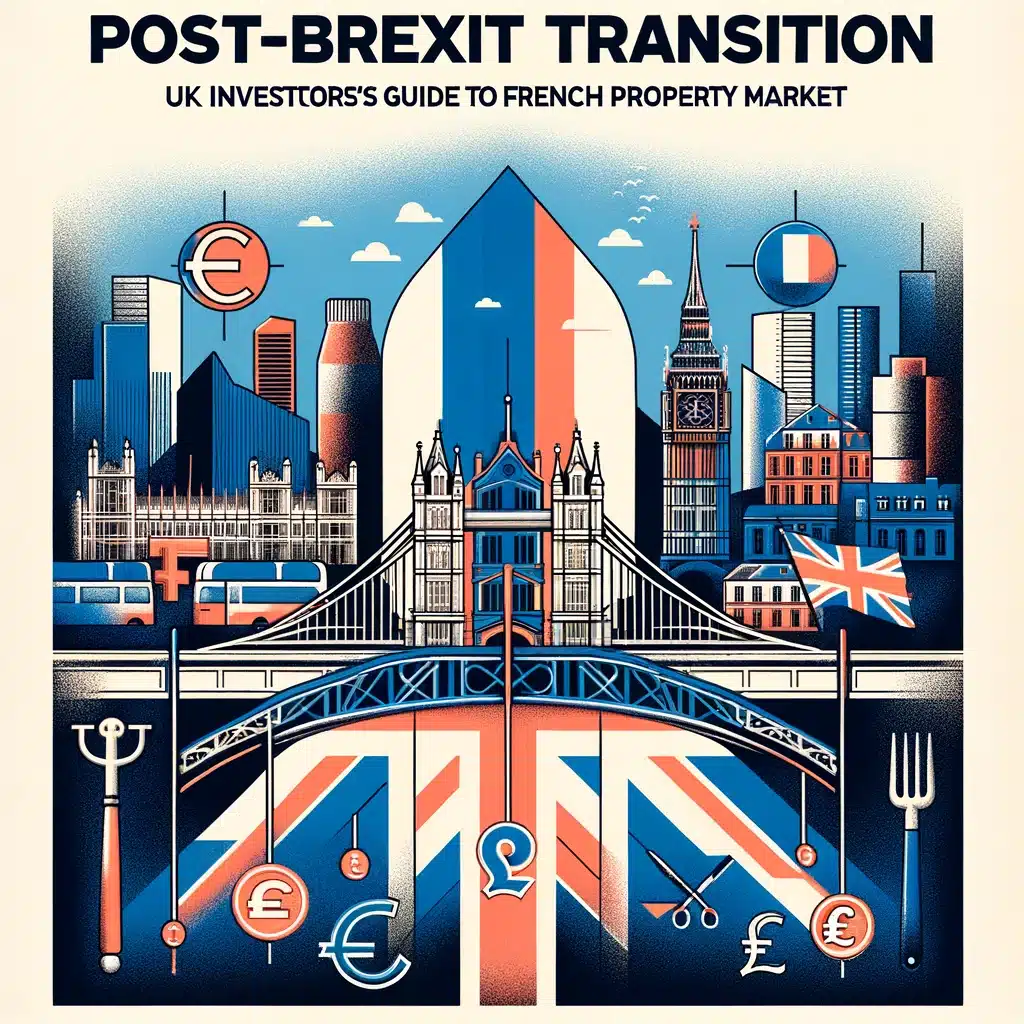
Brexit has undeniably reshaped the landscape of international investments for UK citizens, introducing a new array of challenges and considerations, especially in the realm of real estate investment in France. The fluctuations in exchange rates, changes in legal regulations, and the subsequent need for new financing strategies have placed UK investors at a crossroads. This guide aims to navigate through these waters, offering clarity and direction for UK nationals looking to invest in the French property market post-Brexit.
Understanding the Impact of Brexit on UK Investors
Brexit’s immediate aftermath saw significant volatility in exchange rates, directly affecting the purchasing power of UK investors in the Eurozone. The pound’s fluctuation against the euro remains a critical factor for investment decisions, influencing the overall affordability and potential return on investment in the French property market.
Moreover, Brexit has altered the legal standing of UK nationals within the EU, transitioning from EU citizens to non-EU nationals. This change impacts the ease of property acquisition, residency rights, and the potential imposition of different tax rates or requirements for UK investors in France.
Financing Strategies in the Post-Brexit Landscape
Securing financing for a property purchase in France as a UK national has become more complex post-Brexit. French banks may now require more extensive documentation and proof of income and assets from UK borrowers, reflecting the perceived increased risk of lending to non-EU nationals.
Interest rates for loans may also vary, with potential disparities between rates offered to EU versus non-EU nationals. Engaging with international mortgage brokers who specialize in French property transactions can provide a pathway to navigating these changes, ensuring UK investors access competitive financing options.
Navigating Legal Obligations and Tax Implications
The legal obligations for UK property buyers in France now align more closely with those of other non-EU investors. This includes potential scrutiny under France’s wealth tax (Impôt sur la Fortune Immobilière) for property portfolios exceeding a certain value and the need to comply with new residency requirements for those looking to spend significant time in their French properties.
Moreover, tax considerations for rental income, capital gains, and inheritance have been impacted by Brexit. It’s advisable for UK investors to consult with tax professionals experienced in Franco-British fiscal matters to ensure compliance and strategic tax planning.
Embracing the French Lifestyle Post-Brexit
Despite the challenges, France’s allure remains strong for UK investors, offering a lifestyle and culture that many find irresistible. The French real estate market, known for its stability and long-term growth potential, continues to attract those looking to own a piece of its rich cultural tapestry, from the lavender fields of Provence to the chic streets of Paris.
The post-Brexit era presents a new set of challenges for UK investors in the French property market. However, with informed planning, careful navigation of financing and legal pathways, and strategic partnerships, these hurdles can be surmounted. The enduring appeal of French real estate, combined with the resilience and determination of UK investors, paves the way for continued opportunities and rewards in navigating this evolving landscape. For those willing to adapt and explore new strategies, the French property market remains as inviting as ever.
From East to West: Unlocking the French Property Market for Hong Kong and Singapore Investors

The French real estate landscape presents a unique tapestry of opportunities for international investors, particularly those from Hong Kong and Singapore. With its rich culture, stable economy, and strong legal protections for property owners, France stands out as an attractive destination for East Asian investment. This guide delves into the nuances of the French property market from the perspective of Hong Kong and Singapore investors, exploring financing solutions, understanding regulatory impacts, and appreciating the cultural and lifestyle benefits of French living.
Exploring the French Property Market Potential
France’s property market offers a diversity of investment opportunities, from the historic apartments of Paris to the vineyards of Bordeaux and the coastal villas on the Riviera. The country’s property prices have shown resilience and a steady appreciation over time, making it an attractive long-term investment option. Additionally, France’s rental market, particularly in major cities and tourist areas, presents a compelling case for buy-to-let investors from Hong Kong and Singapore seeking to capitalize on France’s vibrant tourism and student populations.
Financing Solutions for East Asian Investors
Securing financing for an overseas property in France is a major consideration for Hong Kong and Singapore investors. French banks are generally open to offering mortgages to international buyers, including non-resident investors from East Asia. However, the process can be more demanding, with requirements for higher down payments (typically around 20-30% of the property value) and comprehensive documentation to demonstrate financial stability.
Interest rates in France have historically been lower than in many Asian markets, making financing a property purchase in France an appealing prospect. Investors from Hong Kong and Singapore can benefit from working with mortgage brokers who specialize in French property transactions for international clients. These professionals can navigate the intricacies of the French banking system and help secure competitive mortgage offers.
Navigating French Fiscal and Regulatory Landscape
Understanding France’s regulatory and tax considerations is essential for foreign investors. France has introduced several fiscal measures affecting property ownership, including wealth tax implications for properties valued over a certain threshold and capital gains tax on the sale of property. Rental income generated from French properties is also subject to taxation in France, and investors must comply with local regulations related to rental properties, including registration and potentially obtaining a commerciality change for short-term rentals in certain areas.
The Legal Environment for Investors
The French legal system offers strong protections for property owners, with clear processes for property registration, ownership transfer, and dispute resolution. However, the legal landscape can be complex for those unfamiliar with the French system. Engaging a notaire (a French notary public) who specializes in property law is crucial. Notaires play a central role in the French property transaction process, ensuring legality, advising on contract terms, and handling the official property registration.
Cultural and Lifestyle Appeals of French Living
Beyond the financial and legal aspects of property investment, France offers a quality of life and cultural richness that is unparalleled. From the culinary delights and historical treasures of Paris to the serene landscapes of Provence and the cultural vibrancy of Lyon, France offers a myriad of experiences for investors looking to engage more deeply with their investment destination or considering relocation.
For Hong Kong and Singapore investors seeking to expand their portfolios into the European market, France offers compelling opportunities bolstered by a stable real estate market, attractive financing options, and a quality of life that is unmatched. By navigating the fiscal, regulatory, and legal frameworks with informed guidance and appreciating the cultural and lifestyle benefits of French living, investors from East Asia can successfully unlock the potential of the French property market.
Unlocking the Buy-to-Let Market in Paris: A Guide for Non-Resident Investors

Paris, with its timeless appeal, continues to attract investors from across the globe, intrigued by its vibrant culture, historical architecture, and robust rental market. For non-residents contemplating an investment in Paris’ real estate, particularly in the buy-to-let sector, understanding the current regulations and restrictions is paramount. This guide aims to decode the complexities of purchasing and financing a buy-to-let property in Paris, highlighting key considerations for non-residents to ensure a profitable and compliant investment.
Navigating French Regulations for Non-Residents
France maintains an open market policy when it comes to non-resident investment in its property sector. Unlike some countries that impose restrictions on the amount of property that can be owned by foreigners, France typically does not have such limitations. Non-resident investors can freely purchase residential or commercial properties without facing ownership restrictions.
Non-residents investing in Paris property are treated equally to residents in terms of property ownership rights and legal protections. This can provide a sense of security and confidence for non-resident investors looking to purchase property in Paris.
Special Considerations for short term Furnished Rentals
Paris’ market is particularly receptive to furnished rentals, catering to both the expat community and the considerable number of international students. However, renting out furnished properties is subject to specific regulations.
Short-term furnished apartment lettings are subject to regulations aimed at controlling the tourist rental market and preserving the availability of housing for residents.
Short-term furnished apartment lettings in Paris are typically limited to a maximum duration of 120 days per year when the property is the primary residence of the owner. This restriction aims to prevent properties from being permanently converted into tourist accommodations.
Property owners must register their furnished apartments with the local authorities before offering them for short-term rental. This registration process helps ensure compliance with regulations and allows authorities to monitor the rental market.
Rent controls
The main legislation governing rent controls in Paris is the “Loi Alur” (Alur Law). This law introduced measures to regulate rents and strengthen tenant protections in France, including in Paris.
Under the Loi Alur, a “reference rent” (loyer de référence) is established for each neighborhood in Paris. This reference rent serves as a benchmark for determining the maximum allowable rent that landlords can charge for residential properties in that area.
The reference rent sets a cap on the maximum allowable rent that landlords can charge for new rental agreements or lease renewals. Landlords are generally prohibited from setting rents above the reference rent, except in certain circumstances.
Cost Considerations and Rental Restrictions
Beyond initial investment and potential tax implications, non-resident investors should also be mindful of maintenance costs, property management fees (if using a property management service), and insurance. Rent control is another crucial factor, with Paris having re-introduced rent controls in recent years to curb excessive rent increases. Understanding these restrictions is vital to accurately projecting rental yields and ensuring compliance.
The Path to a Successful Investment
While the path to owning a buy-to-let property in Paris involves navigating a series of regulations and financial considerations, the rewards can be significant. The city’s enduring appeal ensures a consistent demand for rental properties, offering a stable avenue for investment.
Non-resident investors are advised to conduct thorough due diligence, possibly consulting with local real estate professionals, tax advisors, and mortgage brokers who specialize in serving foreign clientele. These professionals can provide invaluable guidance through the purchasing process, financing options, and regulatory compliance, ensuring that your investment not only meets French legal standards but also aligns with your financial objectives.
Investing in Paris’ buy-to-let market presents a distinctive opportunity for non-residents. By understanding and complying with local regulations, preparing for the financial aspects of property ownership in France, and leveraging professional advice, non-residents can successfully tap into one of the world’s most iconic real estate markets. Whether you’re drawn by the allure of Parisian life or the robust rental demand, informed and strategic investments in this market can yield substantial returns.
Securing Your French Dream Home: Understanding Loan Guarantees and Their Fees
When embarking on the exciting journey of purchasing a property in France, understanding the landscape of home loans is crucial. An often under-discussed yet essential component of this process is choosing the right type of loan guarantee. This guarantee is a lender’s assurance that the loan will be repaid, a critical aspect especially for foreign buyers. In France, borrowers have options, including Crédit Logement and SACCEF guarantees, as well as mortgage security. Each of these options comes with its set of advantages and associated costs, which are pivotal to consider for anyone looking to secure a French home loan efficiently and cost-effectively.
Crédit Logement Guarantee: The Popular Choice
The Crédit Logement guarantee is widely favored for its flexibility and cost-effectiveness. Rather than requiring borrowers to block a significant amount of money in a bank as security, Crédit Logement offers a guarantee to the lender against loan defaults. This is particularly beneficial for borrowers who prefer to keep their liquidity for other investments or property related expenses.
The fees for a Crédit Logement guarantee include a commission fee, which is a percentage of the loan amount that is partially refunded at the end of the loan term. The exact percentages and amounts vary, highlighting the importance of consulting with your lender or a mortgage expert to get precise figures.
SACCEF Guarantee: Securing Your Investment
Another popular guarantee option is offered by SACCEF (Société d’Assurance Crédit des Caisses d’Epargne de France). Like Crédit Logement, SACCEF guarantees your loan against default, but it’s often associated with loans from specific banks or financial institutions. The SACCEF guarantee is typically more suited for borrowers who are obtaining their mortgage from a participating bank and can offer a slightly more competitive rate in some cases.
The fees for a SACCEF guarantee usually include a one-time payment that varies based on the loan amount and other risk factors. Again, individual consultations with your lender will provide the most accurate cost assessment.
Mortgage Security: The Traditional Route
Opting for a traditional mortgage security means that the loan is secured against the property itself. The technical name is “Hypothèque Légale Spéciale”. If the borrower fails to make the required payments, the lender has the right to take possession of the property. This option might be preferable for lenders due to the direct link to the property as collateral. A notary must be involded to register the mortgage security.
Comparing Fees and Making Your Choice
When deciding between these guarantees, one must consider both the initial costs and the long-term implications. While Crédit Logement and SACCEF offer potentially lower upfront expenses and flexibility, a mortgage security might provide certain tax benefits or be more favorable in the lender’s eyes.
Before making a decision, it’s advisable to conduct a detailed comparison of the fees associated with each guarantee type, factoring in your financial situation, loan amount, and long-term property plans. Consulting with a mortgage advisor who has extensive experience in the French property market can also offer invaluable insights, ensuring you make the best choice for your unique circumstances.
Choosing the right type of loan guarantee is a crucial step in securing your French property. By understanding the nuances of Crédit Logement and SACCEF guarantees versus traditional mortgage security, including the fees involved, borrowers can make informed decisions that align with their financial goals. With careful planning and expert advice, securing your dream home in France can be a smooth and rewarding process, marking the beginning of an exciting new chapter.